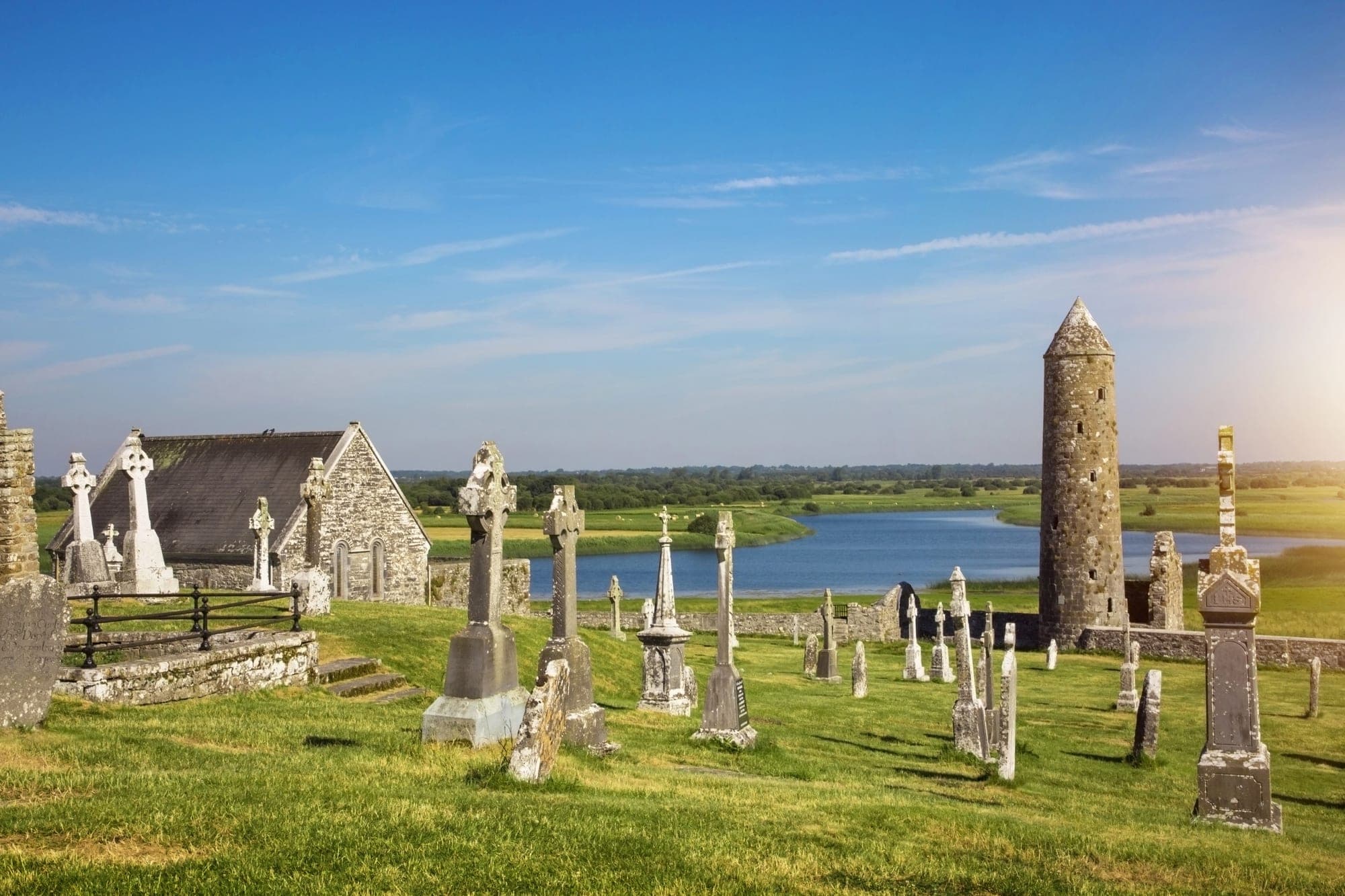
For many families, the connection to the British Isles is specific: a surname, a county, a great-grandmother who never spoke much about where she came from. A heritage trip is the chance to follow that connection somewhere real.
At WonderWay, ancestry research is built into how we plan - not added on as an option. Before your trip begins, we work to establish what's findable. Then we build your itinerary around it.
What Heritage Travel Means at WonderWay
A heritage trip is not a standard Irish or Scottish holiday with a graveyard visit on day three.
It begins with genuine genealogical research, conducted before you travel, by a specialist in your specific county or region. The itinerary is then designed around what that research reveals: the townland, the parish, the archive most likely to hold your family's records. Where you stay, how long you spend in each area, who you meet - all of it follows the research, not a template.
The result is a trip that is yours in a way that a curated highlights tour cannot be.
How It Works
Before your trip
We begin with a conversation about what you know: surnames, family stories, immigration records, DNA results if you have them. From that, we commission preliminary genealogical research with a specialist in the relevant county - someone who works specifically in those archives, knows the local records, and understands where the gaps are.
You receive a written research brief before you travel. It covers what was found, what was searched and not found, and what the trip might uncover that desk research couldn't. You arrive knowing something specific, not hoping to find something general.
During your trip
Your itinerary includes time built specifically for the heritage work: a morning in a relevant archive, a day with a local historian in the ancestral area, a visit to the parish church where your family's records are held. These are not rushed stops on a highlights tour. They are the center of the itinerary, with everything else arranged around them.
When something unexpected emerges - a new name in a land record, a lead from a local contact - we adjust. That flexibility is part of what we plan for.
After your trip
You receive a heritage document: a written record of what the trip found, with images of archival material where reproduction is permitted, a map of the ancestral area with locations marked, and contact details for the specialists and historians you worked with. This document belongs to your family. Many clients share it with children and grandchildren, or use it as the starting point for a longer family history project.
Who This Is For
Heritage travel works best for clients who have a specific connection to explore - a county, a surname, a family story that has always been vague and is now worth following.
It is not necessary to know exactly where your family came from. Many clients begin with very little: a surname, an approximate region, a DNA result showing Irish or Scottish ancestry. Part of our work is helping establish what's findable before the trip begins.
It does require a willingness to spend time differently than a conventional holiday. An archive morning, a long conversation with a local historian, an afternoon driving roads that don't lead to a hotel - these are not inefficiencies. They are the trip.
What We Bring to This
County-level expertise. We work with genealogists and historians who specialize in specific counties and record sets. A Mayo specialist is not interchangeable with a Cork specialist. The research is only as good as the person doing it - and that depends on genuine, concentrated local knowledge.
Local relationships. Some of the most valuable material for ancestry research - uncatalogued parish records, local estate papers, connections to families who stayed - is accessible through relationships rather than public archives. These take years to build.
Flexibility in the field. Ancestry travel produces surprises. The ability to follow a discovery - to extend time in one area, to make a call to a local contact, to change the following day's plan - is built into how we work.
A single point of contact. From the first research conversation to the final day of your trip, you work with one WonderWay advisor who knows your family's story. Not a call center. Not a handoff to a local operator who has received a brief.
Where We Work
Ireland - all counties, Republic and Northern Ireland. Particular depth in the counties of highest emigration to America: Cork, Kerry, Clare, Galway, Mayo, Donegal, Antrim, Down.
Scotland - Highlands, Lowlands, the Western Isles, and Orkney and Shetland. Strong coverage of the Scots-Irish corridor (Scottish southwest to Ulster) for clients tracing the Ulster Scots emigration to America.
England and Wales - less common as an ancestry destination, but available for clients with English or Welsh heritage.
Combined Ireland and Scotland itineraries are available for clients with ancestry in both countries. We recommend a minimum of twelve nights for a combined trip done properly.
What to Expect
Heritage trips typically begin at $8,400 for two travelers ($4,200 per person) for eight nights in Ireland. This includes preliminary genealogical research, all accommodation, private transfers, local historian engagement, archive visits, and the post-trip heritage document.
Combined Ireland and Scotland itineraries for twelve to fourteen nights typically begin at $11,800 for two travelers ($5,900 per person), depending on accommodation choices and the scope of research.
These figures are starting points. Every trip is priced individually based on the research involved, where you stay, and what you want to do. We provide a detailed written proposal before any commitment is made.
Common Questions
We don't know which county our family came from. Can you still help?
Yes. Establishing county of origin is often part of the preliminary research. We will tell you honestly what's findable from your starting point - and if it's very little, we'll tell you that too.
Can we combine a heritage trip with a general Irish or Scottish holiday?
Yes, and most clients do. The ancestry work usually occupies three to four days; the rest of the trip explores the country more broadly. The two complement each other - understanding the landscape your family came from deepens everything else.
How far in advance should we plan?
We recommend starting the conversation at least four to six months before your intended travel date. The preliminary genealogical research takes time, and the strongest local specialists book ahead. Eight to twelve months is better for late spring or early autumn travel.
We've already done some genealogical research. Where does that fit?
It's a head start. Share everything you have - documents, DNA results, family records, previous research - and we'll build from there rather than beginning from scratch.
Start With a Conversation
Tell us what you know about your family's connection to Ireland or Scotland. We'll tell you what's realistically findable - and what a trip built around it might look like.
There is no commitment in that first conversation. It is simply the beginning of the research.
Related reading:
How to Plan an Irish Ancestry Trip: A Complete Guide