The short answer: May and June, or September and early October.
These months usually offer a lovely balance of long days, beautiful scenery, comfortable temperatures and fewer crowds than the height of summer.
That said, there is no single “perfect” time to visit Ireland. Each season brings something different, and the best choice really depends on the kind of trip you would like to have.
May and June: Long Days and Fresh Green Landscapes
For many travellers, May and June are two of the loveliest months to visit Ireland.
The days are wonderfully long, giving you plenty of time to explore without feeling rushed. In June, it can stay light well into the evening, which means you can enjoy dinner and still have time for a coastal walk or a scenic drive afterwards.
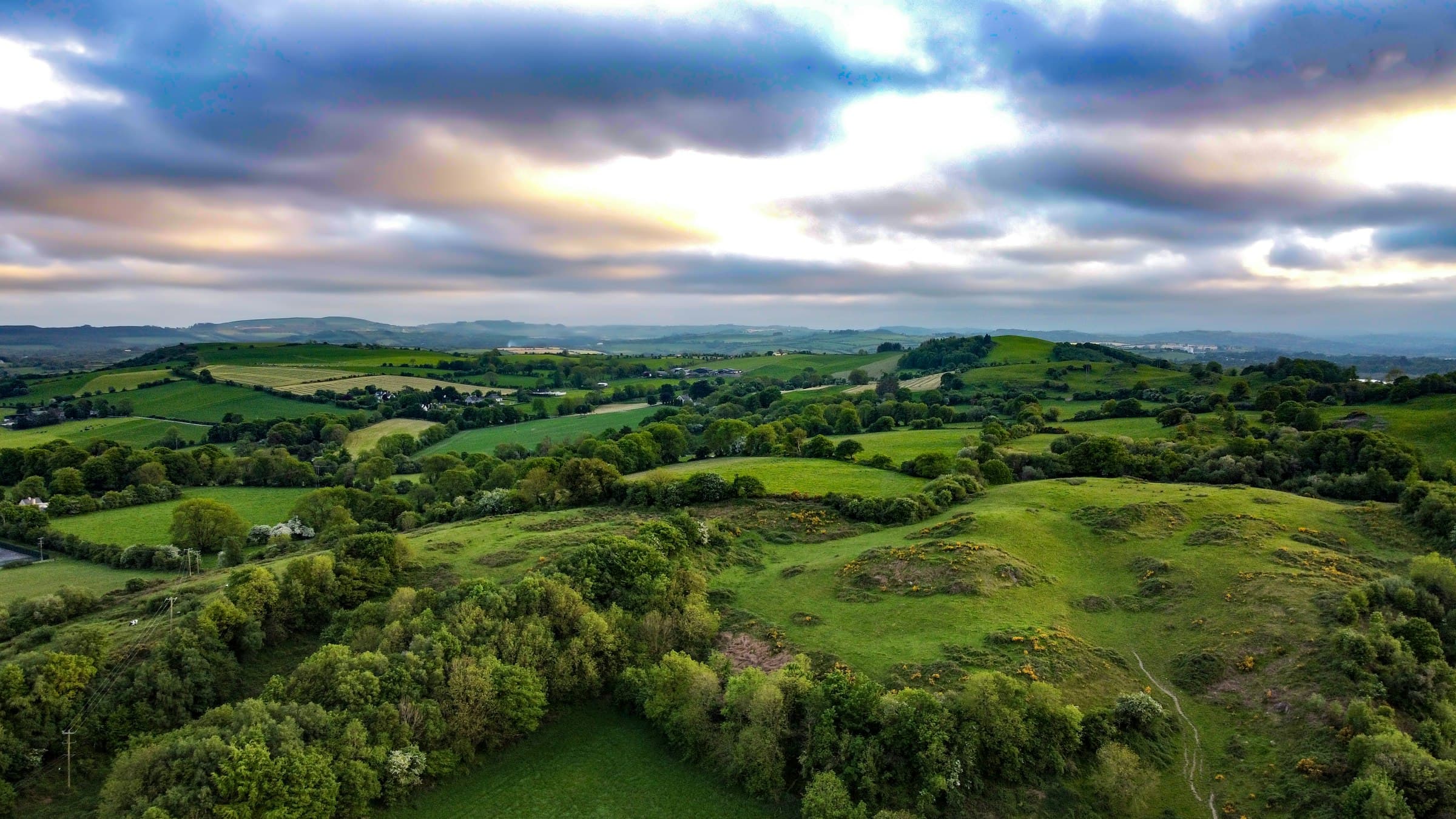
The countryside is at its greenest, gardens are full of colour, and temperatures are generally mild and comfortable for sightseeing.
May is usually a little quieter, while June begins to feel more lively as summer approaches.
It is also a wonderful time for gardens, historic houses and countryside stays. If your trip includes both Ireland and Britain, late spring works particularly well for combining cities, gardens and rural areas.
September and Early October: Quieter and Beautifully Atmospheric
September is another brilliant time to travel around Ireland.
The busiest summer weeks are over, but the days are still long enough for exploring. Roads and attractions tend to feel calmer, and accommodation can be easier to find than in July and August.
There is also something particularly beautiful about Ireland in early autumn.
The light becomes softer, the countryside begins to change colour and the landscapes can feel wonderfully peaceful.
September is especially lovely for scenic drives, photography, countryside stays and walking.
Early October can also be beautiful, although the weather becomes a little more changeable as the month goes on.
What About July and August?
July and August are Ireland’s busiest travel months.
There is a lively summer atmosphere, the days are long and almost everything is open, so there are plenty of reasons to visit at this time of year.
The main thing to keep in mind is that famous places such as the Cliffs of Moher and the Ring of Kerry can be busier, and popular hotels often book well in advance.
That does not mean you should avoid summer.
A well-planned itinerary can make a huge difference. Visiting popular sights earlier or later in the day, choosing quieter coastal routes and spending time in smaller towns can give you a completely different experience.
A local driver or guide can also be especially helpful, as they often know quieter roads, viewpoints and places that many visitors miss.
Travelling Around Public Holidays
If you have some flexibility with your travel dates, late May and early September can be particularly good options.
They often offer the best of both worlds: lovely weather, long days and a more relaxed atmosphere than the middle of summer.
Late autumn and winter can also work, especially if your trip is focused on Dublin, food, history, cosy hotels and pub culture.
The main difference is daylight. Winter days are much shorter, and some countryside attractions may operate reduced opening hours.
Christmas and New Year can be especially atmospheric, with decorated towns, festive markets and cosy evenings in traditional pubs. It is a very different Ireland from the one you experience in summer - but for the right traveller, that can be part of the appeal.
What Irish Weather Is Really Like
Ireland’s weather changes quickly, and that is simply part of travelling here.
You might have sunshine in the morning, a short shower over lunch and blue skies again by late afternoon.
Rather than planning around perfect weather, it is better to come prepared for a little of everything.
Layers, comfortable shoes and a good waterproof jacket will cover most situations.
And the changing weather often creates some of Ireland’s most beautiful moments. A shower can clear suddenly and leave the countryside glowing, while dramatic Atlantic clouds can make the coastline look even more impressive.
The weather is rarely something that needs to stop the day entirely. More often, it simply changes the plan slightly.
The Best Time for Different Types of Trips
Heritage and Ancestry
Spring and early autumn are lovely choices for heritage-focused trips.
Historic sites are open, towns are generally quieter than in peak summer, and the slower pace can make visits to churches, villages and family-history locations feel much more personal.
Gardens
If gardens are an important part of your trip, late May and June are particularly beautiful.
Walled gardens, country estates and historic houses are full of colour at this time of year, with another lovely period in early September.
Wildlife
Spring and summer are excellent for coastal wildlife and seabirds.
Whale watching is possible along parts of Ireland’s west coast from late spring into autumn, while the changing seasons bring different wildlife experiences throughout the year.
Walking and the Outdoors
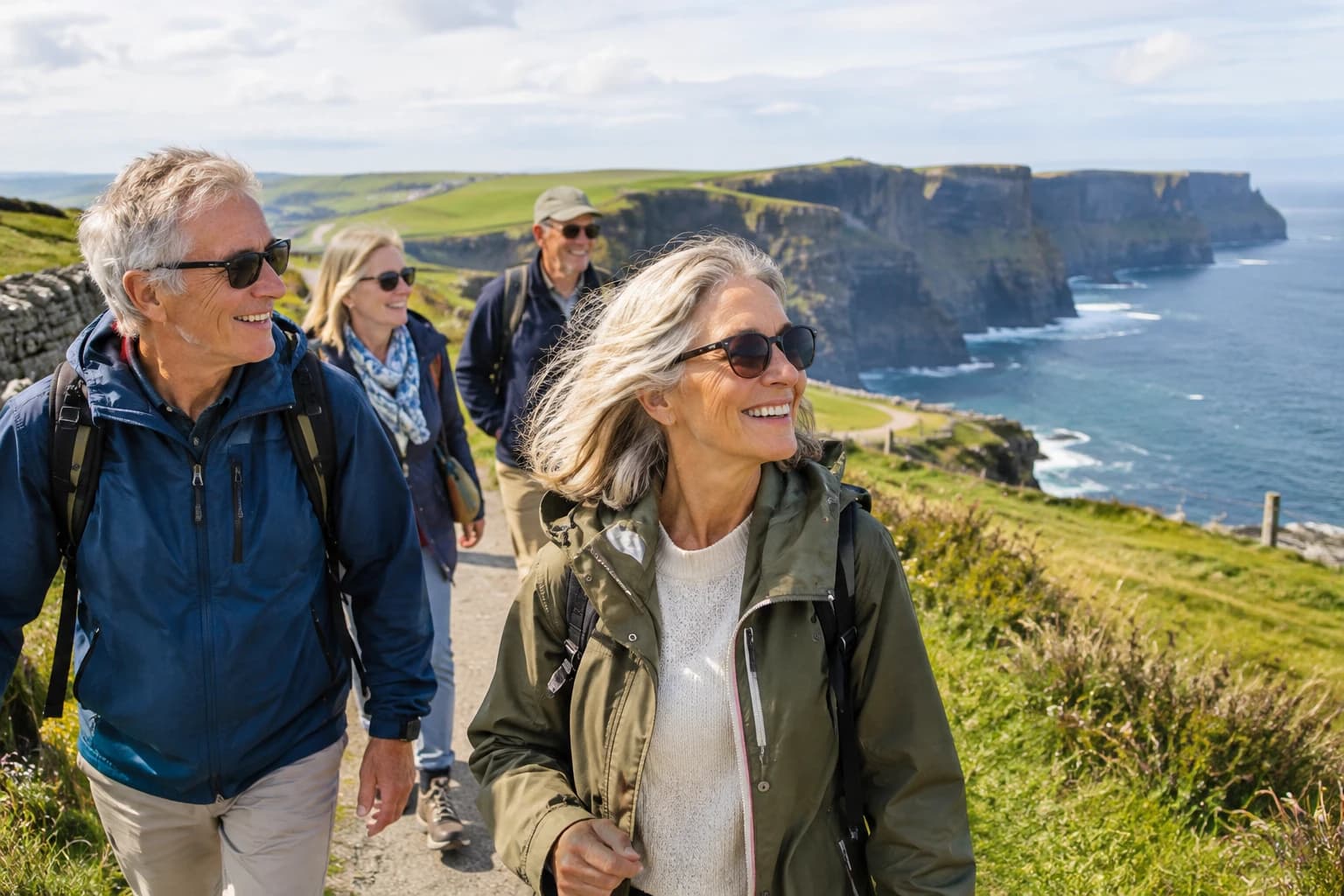
May through September gives you the most daylight for walking, coastal paths and outdoor activities.
May, June and September are especially appealing because the weather is usually comfortable and the busiest summer weeks can often be avoided.
So, When Should You Go?
If you can travel in May or June, you will enjoy long days, fresh green landscapes and a wonderful early-summer atmosphere.
If you prefer somewhere a little quieter, September is a fantastic choice.
If July or August works best for your schedule, Ireland is still absolutely worth visiting - it simply helps to plan a little more carefully and book popular hotels and experiences early.
And if you love cosy evenings, historic cities and travelling at a quieter time of year, autumn and winter can offer a completely different side of Ireland.
Ultimately, the best time to visit depends on what you would most like to experience.
If you are planning a trip to Ireland and are not sure which season works best for the places and experiences you have in mind, we would be delighted to help you choose the right time.
Related reading:
First Time in Ireland: A Guide for Travelers 60+