Ireland rewards a particular kind of traveler: someone who is not in a hurry, who is genuinely curious rather than collecting landmarks, and who understands that the best version of a place is rarely the one in the guidebook.
If you’re planning your first trip to Ireland in your sixties or seventies, you’re actually at a brilliant age to enjoy the country properly.
Ireland is not really about rushing from one famous sight to the next. It’s about slowing down, enjoying the journey, stopping somewhere because it looks interesting, spending a couple of hours in a cosy pub, and having a proper chat with the people you meet along the way.
At this stage in life, you’re more likely to appreciate those little moments that often become the best memories of the whole trip. You know that sometimes the unplanned stop is better than the place you had on your list, and you don’t need to squeeze four countries into ten days just to feel like you’ve seen enough.
This guide will help you plan your first trip to Ireland in a way that feels relaxed, enjoyable and realistic. We’ll look at how long to stay, which places are worth focusing on, how to avoid making the itinerary too busy, and the things many travellers say they wish they had known before they arrived.
How Long You Actually Need
One of the biggest mistakes people make on their first trip to Ireland is trying to see too much in too little time.
Ireland may look small on the map, but travelling around it often takes longer than you expect. Many roads are narrow and winding, especially in the countryside, and you will probably want to stop far more often than you planned. There are viewpoints, little villages, cafés, beaches and pubs that are simply too lovely to drive past.
And that is really the beauty of Ireland. Some of the best moments are not the big sights at all. They are the unexpected ones: chatting with a local over a pint, spending an afternoon by the coast with nowhere else to be, or wandering around a small town and discovering a market, a bakery or a place you had never heard of before.
For a first trip, around eight to ten nights is a good starting point, while twelve nights gives you even more time to enjoy the country without feeling rushed. It is less about how much energy you have and more about giving each place enough time.
Two nights lets you visit somewhere. Three nights lets you settle in a little, explore properly and enjoy the area without constantly packing your bags.
It can be tempting to include Dublin, Galway, the Ring of Kerry, the Cliffs of Moher, the Wild Atlantic Way and everything in between. But your trip will usually feel much better if you choose fewer places and spend more time in each one.
See a little less. Enjoy a lot more. And leave yourself a reason to come back.
Where to Focus: The Honest Assessment
Ireland feels wonderfully different from one side of the country to the other, which is part of what makes travelling here so enjoyable.
In the east, you have Dublin, Wicklow, the Boyne Valley and Kilkenny. This part of Ireland is a lovely mix of lively cities, beautiful countryside and centuries of history. Dublin is full of character, with cosy pubs, elegant Georgian streets, fascinating museums and a strong literary tradition. And you do not have to travel far beyond the city to find green hills, historic estates and charming towns.
Wicklow, often called the Garden of Ireland, is less than an hour from Dublin and is perfect for a relaxed day in the countryside. Further north, the Boyne Valley is home to some of Ireland’s most fascinating ancient sites, including Newgrange, which was built thousands of years before many of Europe’s best-known landmarks.
Then there is the west - the Ireland many people picture before they ever visit.
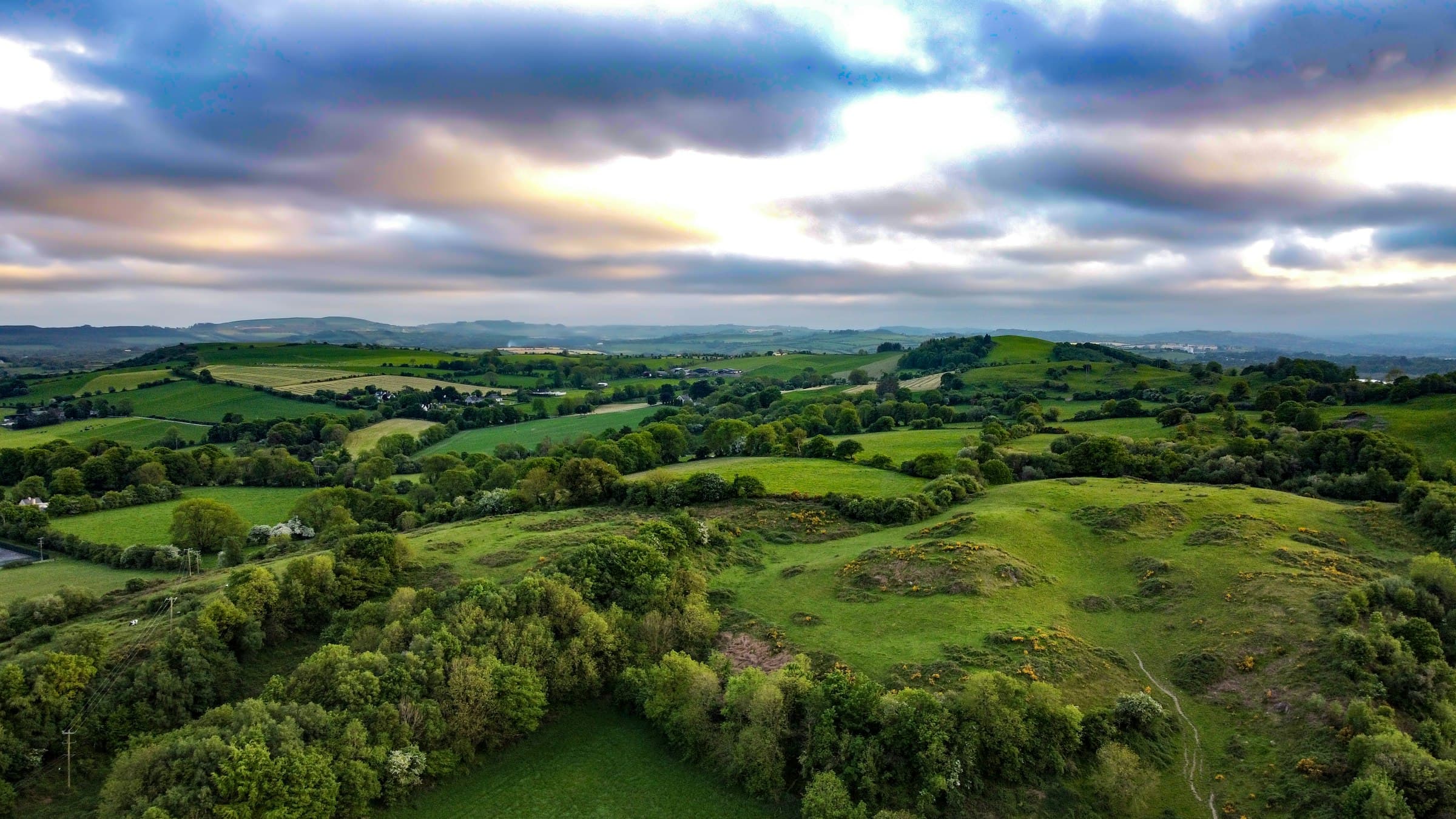
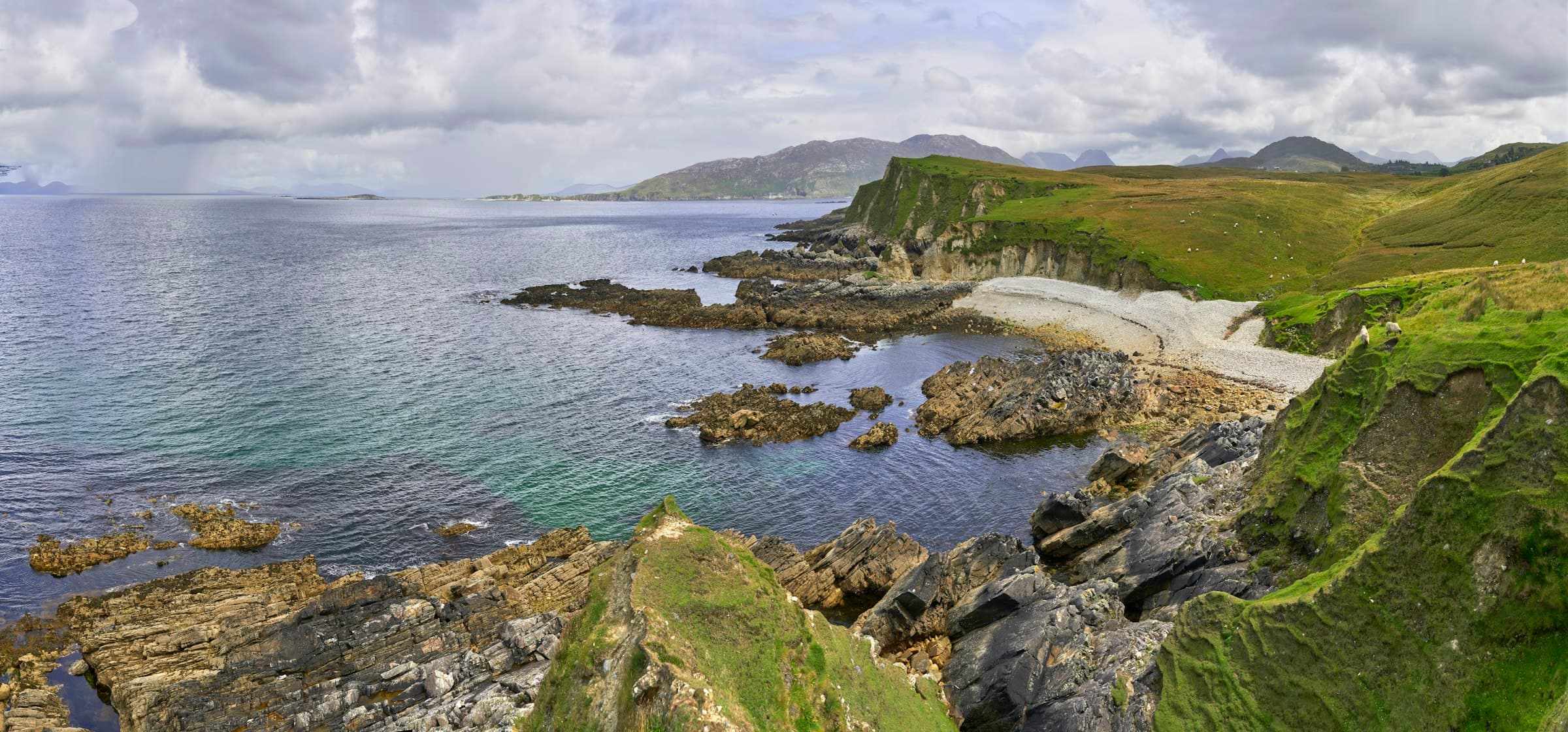
Galway, Clare, Connemara, Kerry and Donegal are all about dramatic coastlines, green countryside, little villages, stone walls and wonderful Atlantic views. Life feels a little slower here, and that is very much part of its charm. There is more time to enjoy the scenery, stop in a village for lunch, listen to traditional music or simply see where the road takes you.
For a first visit, combining Dublin with one area of the west works beautifully. You might spend a few nights discovering Dublin and the surrounding countryside before travelling west for a completely different side of Ireland.
And you really do not need to see the whole west in one trip. Galway, Connemara and Clare can easily fill several wonderful days. Kerry has its own beautiful landscapes, colourful towns and famous coastal routes, while Donegal offers a quieter and wilder feel for those who would like to venture a little further.
The best approach is simple: choose the part of western Ireland that excites you most, give yourself time to enjoy it, and leave a few places for your next visit. Ireland has a lovely way of making people want to come back.
What the Trip Actually Feels Like Day to Day
One of the loveliest things about travelling around Ireland is how naturally the days begin to slow down.
Mornings are made for taking your time. Enjoy a proper breakfast, have another cup of tea or coffee, and start the day without feeling that you need to rush out of the door.
Late morning is a wonderful time to get out and explore - perhaps a scenic drive along the coast, a gentle walk to a viewpoint or a visit to a castle, garden or historic site.
Afternoons can be much more relaxed. Stop in a small town, wander around the local shops, have lunch in a cosy pub or café, and leave a little space for the unexpected. Some of the nicest moments in Ireland happen when you are not following a strict plan.
And then there are the evenings. In smaller towns and villages, you may come across a traditional music session in a local pub, often with no big announcement or performance feel to it at all. Ask your hotel or guesthouse where they would go themselves - they will often know the best places nearby.
A great Ireland trip does not need to be packed from morning until night. In fact, it is often better when it is not.
Plan a little less, give yourself more time, and let the country surprise you.
Practical Matters Worth Knowing
Driving
Driving in Ireland can be a lovely way to explore, especially if you enjoy having the freedom to stop whenever a view, village or café catches your eye.
Cars drive on the left, and some country roads - especially in the west - can be quite narrow. Most travellers get used to it quickly, but if you would rather relax and enjoy the scenery, using a private driver for part of the trip can be a brilliant option.
It means you can simply sit back, enjoy the views and leave the navigating to someone else.
Weather
Irish weather has a personality of its own, and it can change surprisingly quickly.
You might start the morning with sunshine, have a short shower at lunchtime and finish the afternoon under bright blue skies again. The easiest way to enjoy it is to come prepared with layers and a good waterproof jacket.
And the changing weather is part of Ireland’s beauty. Some of the most dramatic landscapes look even better just after the rain, when the clouds lift and the light comes through.
Where to Stay
Ireland has a wonderful range of places to stay, and choosing the right ones can become one of the highlights of your trip.
You might spend a night in a castle, stay in a beautiful country house surrounded by gardens, or choose a small family-run hotel where the welcome feels especially personal.
These stays are not simply somewhere to sleep at the end of the day. They can become part of the experience itself - particularly when the property reflects the history, character and landscape of the area you are visiting.
Comfort and Accessibility
Ireland can be enjoyed comfortably by travellers with a wide range of needs.
Many popular attractions are easy to visit, and private transport can make exploring rural areas much simpler and more relaxed. If walking distances, stairs or accessibility are important considerations, these can easily be taken into account when planning the route.
The key is choosing the right combination of hotels, experiences and transport so that the trip feels enjoyable from beginning to end.
What Experienced Travelers Wish They Had Known
There are a few things travellers often mention after their first trip to Ireland - and they are useful to know before you go.
Distances can be a little deceptive
Ireland may look small on the map, but getting from one side of the country to the other can take longer than you expect.
The good news is that travelling between places can easily become part of the experience. Instead of simply driving from Dublin to the west, you can stop at a historic site, wander through a small town, enjoy lunch somewhere local or simply take a scenic route.
In Ireland, the journey is often just as enjoyable as the destination.
Leave a little space beyond the famous sights
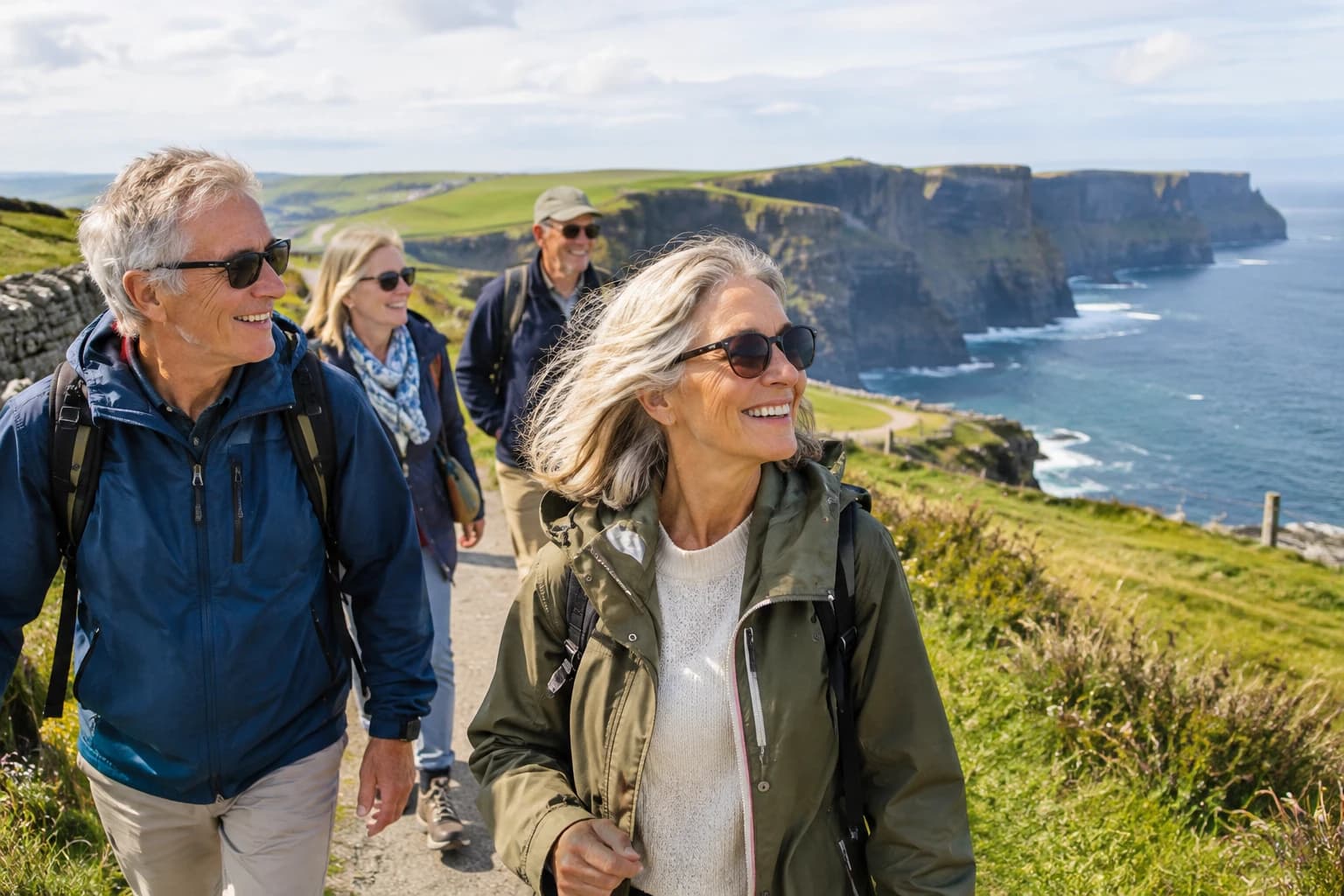
Places such as the Ring of Kerry and the Cliffs of Moher are famous for a reason - they are beautiful and absolutely worth seeing.
But some of the most memorable moments often happen just beyond the best-known routes. A quiet coastal road, a tiny village, a nearly empty beach or a viewpoint you were not expecting can easily become a favourite part of the trip.
This is where local knowledge can make a real difference. A good guide or driver can often show you places you would never have found on your own.
You will probably wish you had one more night
This happens to almost everyone.
Just as you begin to feel comfortable in a place, discover your favourite pub or find a lovely walk nearby, it is often time to move on.
Rather than trying to fit everything into one trip, it is worth accepting that you will not see all of Ireland at once - and that is perfectly fine. Leaving with a few places still on your list is a very good reason to come back.
Make time for the people
Ireland’s landscapes and historic sites are wonderful, but the people you meet along the way can be just as memorable.
A quick chat in a shop can turn into a twenty-minute conversation. Someone in a pub may recommend a place you had never planned to visit. Your hotel owner might tell you where to find live music that evening.
These moments cannot really be planned - but you can make room for them.
A First Trip Is Not the Last Trip
One of the lovely things about Ireland is that one trip is rarely enough.
Every region has its own character, scenery and atmosphere. A few days in Kerry can feel completely different from a few days in Donegal, Connemara or the east of the country. That is part of what makes Ireland such a rewarding place to return to.
For your first visit, you do not need to see everything. In fact, the best trips are often the ones that focus on a few places and give you enough time to really enjoy them.
Come for the landscapes, the castles, the music and the history - but leave a little room for the unexpected too. A favourite pub you did not plan to visit, a village you stopped in on the way, or a conversation you still remember long after you get home.
And if you finish your trip already thinking about where you would like to go next, that is probably a very good sign.
If you are planning your first trip to Ireland and would like help creating an itinerary around the places, experiences and pace that suit you best, we would be delighted to help.
Related reading: